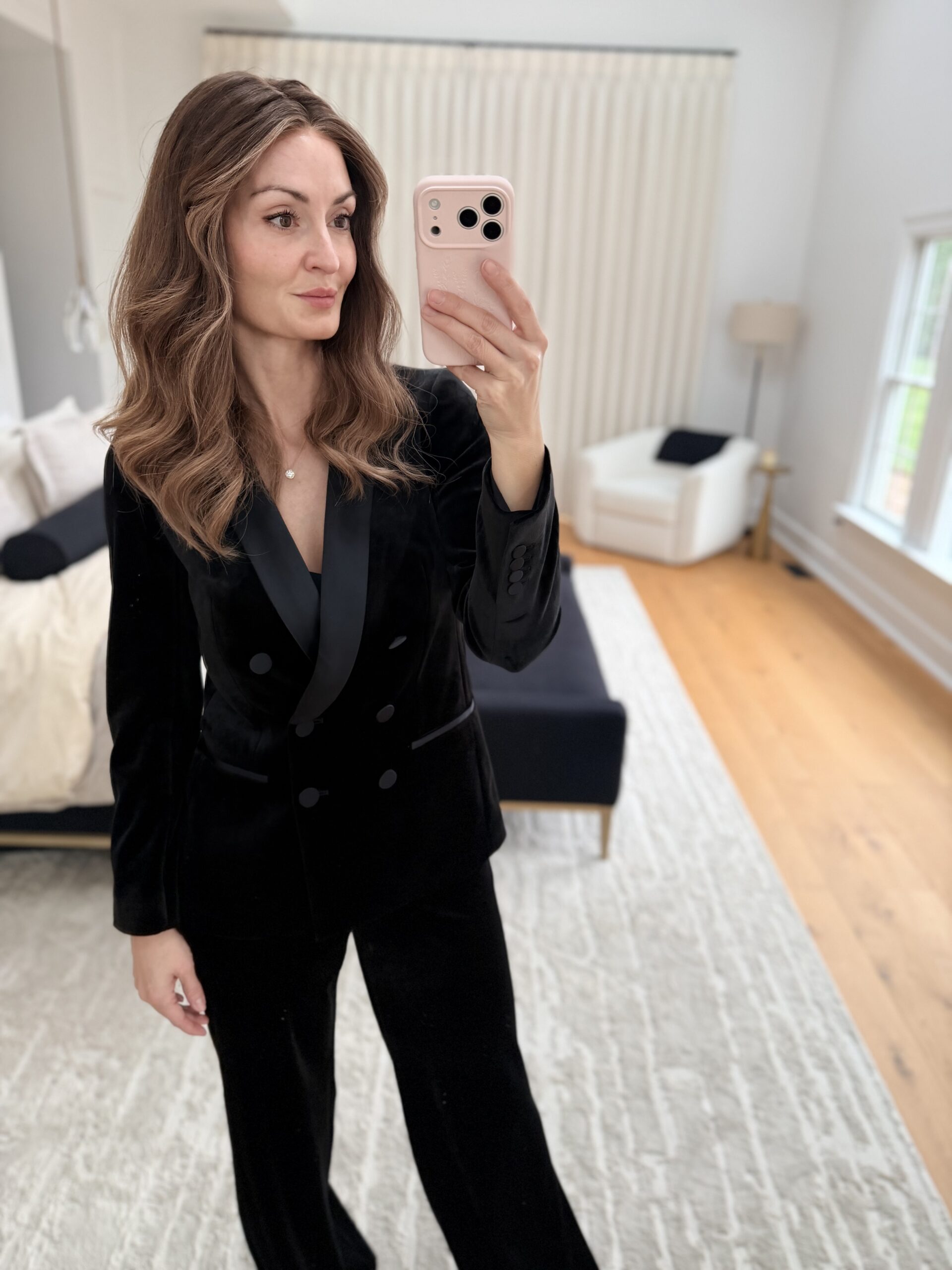
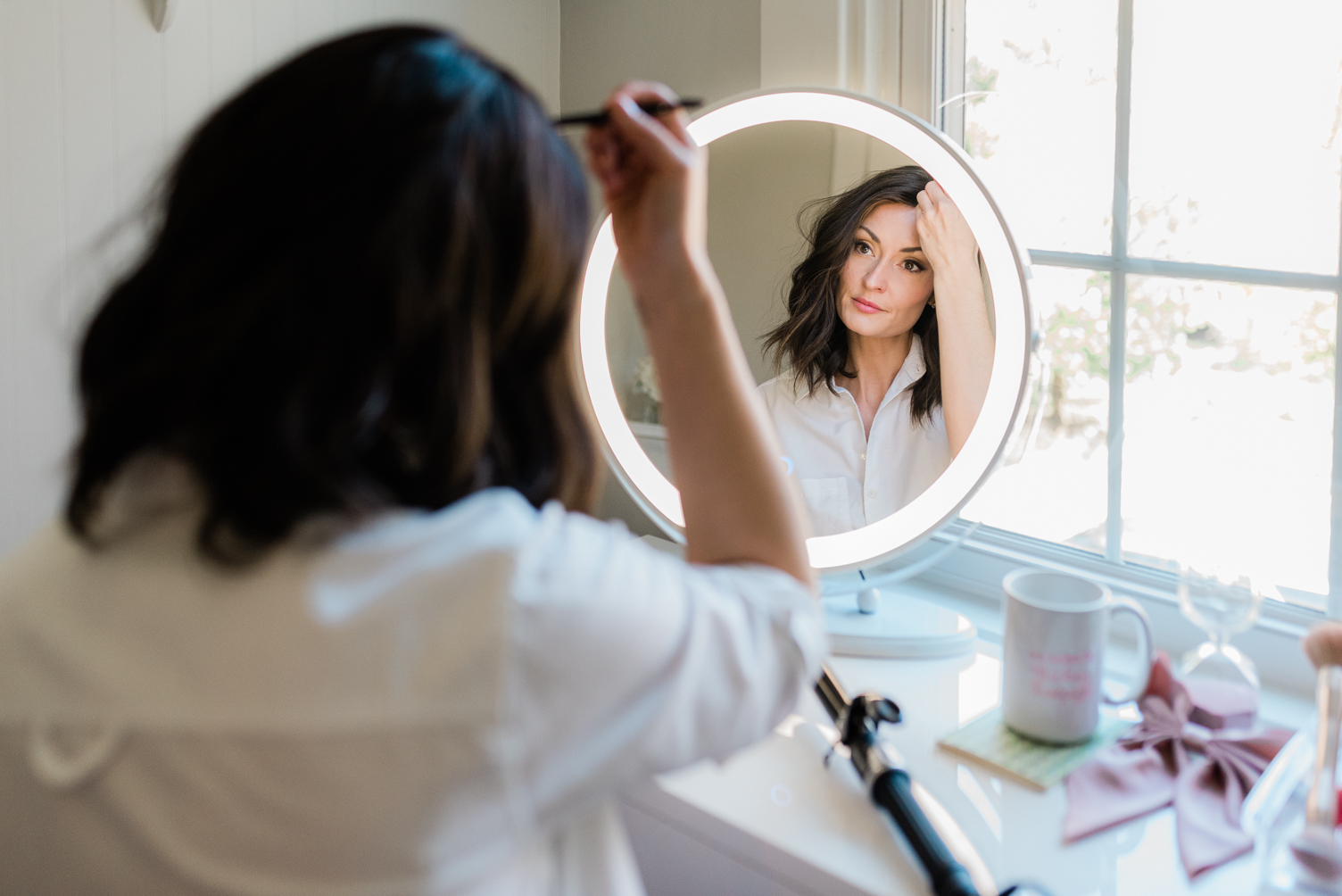
The early days of wearing wigs come with a lot of information.
How to secure them.
How to style them.
How to make them look natural.
What doesn’t get talked about as much is what happens after you’ve figured all of that out.
After wigs stop feeling new.
After the questions slow down.
After they’re no longer the main thing you’re thinking about.
That’s the part no one really prepares you for.
The Shift From “New” to Normal
At first, wearing wigs feels like a big adjustment. Everything is heightened.
You’re aware of how it feels on your head.
You notice every reflection.
You wonder if other people can tell.
Over time, that awareness softens.
Wigs stop feeling like something you’re doing and start feeling like something you just wear. The same way a bra, glasses, or makeup eventually fade into the background.
Not because they stop mattering, but because they stop needing your constant attention.
The Emotional Part No One Warns You About
There’s a quiet emotional shift that happens once wigs become part of your routine.
You realize that the big feelings you expected to linger don’t always stick around. The fear of being “found out.” The pressure to explain. The need to check and recheck.
Eventually, those thoughts don’t disappear, but they lose their urgency.
Hair stops being the headline.
Life moves back into focus.
And that can feel both relieving and surprising.
When Wigs Stop Feeling Like a Solution
In the beginning, wigs often feel like an answer to a problem.
Something you rely on. Something that carries a lot of emotional weight.
Over time, that framing changes.
Wigs stop feeling like a fix and start feeling like a choice. One option among many in how you present yourself.
You’re not constantly evaluating whether they’re “working.”
You’re not measuring your confidence against them.
They’re simply part of your wardrobe.
The Logistics Get Easier: Mentally and Practically
Long-term wig wearing isn’t just an emotional adjustment. It’s a practical one too.
You figure out:
- What styles you actually reach for
- How many pieces you realistically need
- Which wigs feel good all day, and which don’t
- What routines support ease instead of stress
You stop over-rotating.
You stop over-buying.
You stop chasing perfection.
Everything gets simpler.
The Part About Not Thinking About Hair All the Time
This might be the most unexpected part.
Once wigs feel normal, you don’t think about hair nearly as much as you expect to.
You’re not constantly narrating your experience.
You’re not scanning every interaction for reactions.
You’re not defining your day by how your hair looked.
Hair becomes background information, not the story.
And that mental space is freeing.
Living With Wigs, Not Around Them
Long-term wig wearing isn’t about becoming fearless or reaching some final stage of confidence.
It’s about living your life without hair being the central consideration.
Getting dressed without anxiety.
Leaving the house without a checklist.
Being present in conversations instead of self-monitoring.
That’s the part no one really explains, but it’s where the real ease lives.
Cheering you on always,
Jess xx
Looking for more? Check out my Youtube channel here for more helpful videos!
Browse the Hair Loss Girl Boss Blog here!
Follow along on Instagram for more hair loss tips, wig how-tos, beauty, and fashion.
Shop my favorite products here.